November 11, 2026
A driveway gate can make a property feel more secure while adding a finished appearance to its entrance. Beyond creating a clear boundary, the right gate can help manage vehicle access, establish privacy, and complement the surrounding fence and landscaping. However, choosing a gate involves more than selecting a design that looks appealing. Property owners should consider how the entrance is used, how much space is available, and what level of security is needed. Material, operating style, maintenance requirements, and installation quality can all influence long-term performance. A carefully planned gate installation can make everyday access more convenient while supporting the property's overall appearance. It is also important to choose an option that fits the layout of the driveway rather than forcing a design into an unsuitable space. By comparing these factors before making a decision, property owners can select a gate that balances security, style, and convenience.
Assess Your Property's Security Requirements
The first step in choosing a driveway gate is determining what you want it to accomplish. Some property owners primarily want to discourage unauthorized access, while others are more concerned with controlling vehicle entry and creating a private outdoor space. Your location, driveway layout, and surrounding fencing can influence which design makes the most sense. A well-planned gate installation should address these priorities without making normal access unnecessarily difficult. Consider whether the entrance needs to accommodate household vehicles, visitors, delivery drivers, or commercial traffic. You may also want to think about how frequently the gate will be opened and closed throughout the day. Features such as locking mechanisms, access controls, and sturdy construction can contribute to a more secure entrance. Discussing these requirements before choosing a design helps ensure the finished gate serves a practical purpose.
Compare Different Gate Styles
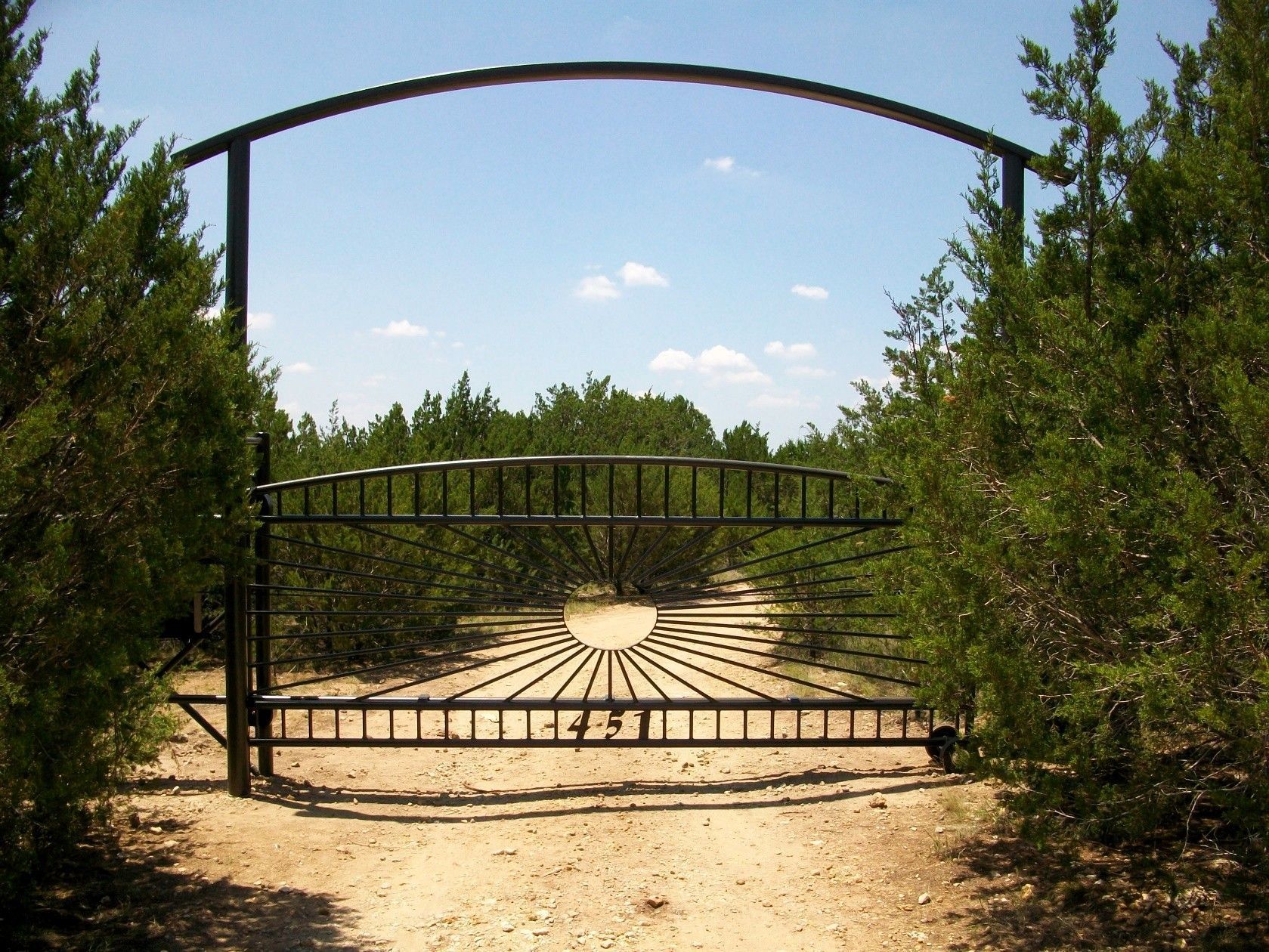
Driveway gates are available in several styles, each offering different advantages depending on the property. Swing gates open inward or outward on hinges and can create a traditional, welcoming entrance. Sliding gates move horizontally along a track or supported system, making them useful for driveways where there is limited room for a swinging panel. A gate installation should account for the amount of clearance available and the direction in which vehicles approach the entrance. Swinging designs generally require enough open space to accommodate their movement, while sliding options need room alongside the driveway. Property owners should also consider slopes, landscaping features, and nearby structures that could interfere with operation. The best style is one that fits the property's physical layout and supports convenient everyday use. Reviewing these options with an experienced installer can help narrow the choices.
Select Materials That Match Your Needs
Material selection affects a gate's appearance, durability, maintenance needs, and overall performance. Metal gates are popular for their strength and versatility, with options ranging from simple functional designs to decorative styles. Wood gates can provide a natural appearance that complements traditional homes, landscaping, and existing wooden fencing. Vinyl may appeal to property owners looking for a material that does not require frequent painting or staining. When planning a gate installation, consider how the selected material will hold up against local weather conditions and regular use. Moisture, sunlight, temperature changes, and exposure to outdoor elements can affect different materials over time. You should also consider whether the gate's appearance will coordinate with the existing fence, driveway, and architectural features. Comparing the maintenance requirements of each option can help you make a decision that remains practical after installation.
Coordinate the Gate With Existing Fencing
A driveway gate should look like a natural extension of the property's overall boundary. When the gate and fence have different styles, heights, or finishes, the entrance may appear disconnected from the rest of the landscape. Matching materials and design details can create a more consistent appearance while maintaining the property's intended level of privacy. A professional gate installation should take existing fencing into account before the final design is selected. Consider the fence's height, color, spacing, and construction when comparing gate options. If the property does not currently have fencing, you may want to plan both features together for a more unified result. The entrance should also provide a suitable transition between the driveway and the surrounding yard. Taking time to coordinate these elements can improve curb appeal without sacrificing the gate's practical purpose.
Consider Automated Access and Convenience
Convenience is another important factor, especially for properties where the driveway gate is used several times each day. Manual gates require someone to open and close them physically, which may be manageable for some entrances but less practical for frequent vehicle traffic. Automated systems allow users to operate a compatible gate through an access control, remote, keypad, or other available mechanism. When considering an automated gate installation, ask about the equipment required and whether the selected gate style can accommodate it. You should also consider how visitors, delivery personnel, and emergency responders will access the property when necessary. Power availability and backup access arrangements may influence which system is appropriate. Regular operation can place wear on moving components, so maintenance should be part of the planning process. Selecting a convenient operating method can make the entrance easier to use while supporting the property's access requirements.
Evaluate Durability and Maintenance Requirements
A driveway gate is exposed to outdoor conditions throughout the year, making durability an important consideration. Hinges, tracks, rollers, fasteners, finishes, and other components may experience wear as the gate is used. Routine maintenance can help identify minor issues before they interfere with operation or lead to more extensive repairs. According to Fixr, driveway gates can remain in service for 20 years or longer when they receive regular maintenance. This makes it worthwhile to consider the long-term care associated with each material and operating system before making a selection. Ask the installer which components require periodic inspection and what maintenance tasks should be performed by the property owner. Metal finishes may need attention to prevent corrosion, while sliding systems may require track cleaning and adjustments. A properly planned gate installation should also account for the quality of the supporting posts and hardware. Understanding these responsibilities can help protect your investment and maintain dependable operation.
Prioritize Proper Measurements and Installation
Even a high-quality gate may not function correctly if it is improperly measured or installed. The opening width, ground clearance, driveway slope, and placement of support posts all influence how the gate operates. An entrance that is too narrow may restrict vehicle access, while an incorrectly positioned gate can create clearance or alignment problems. Before beginning a gate installation, the property should be evaluated to identify obstacles and determine the appropriate dimensions. Installers should also consider the weight of the selected gate and whether the supporting structure is suitable for it. Proper alignment is particularly important for gates with moving components because uneven positioning can contribute to premature wear. Property owners should ask what preparation is required and whether grading or other adjustments may be necessary. Careful planning and accurate installation help create an entrance that operates as intended.
Balance Appearance With Everyday Function
The most attractive gate is not necessarily the best option if it does not support the property's daily needs. Decorative details, colors, and finishes can improve visual appeal, but they should not interfere with access, visibility, or operation. A gate installation should provide a balance between the appearance you want and the practical features your property requires. Think about how the gate will look from the street as well as from inside the driveway. Consider whether its design complements the home's exterior and surrounding landscape. You should also evaluate whether the opening provides enough room for the vehicles that regularly enter and leave the property.
The right driveway gate can improve access control, contribute to curb appeal, and make entering and leaving your property more convenient. However, the best choice depends on how the entrance is used, the available space, the desired level of security, and the amount of maintenance you are prepared to perform. Comparing gate styles, materials, operating systems, and installation requirements can help you identify an option that meets these needs. T-Bar Fence Tennis Courts can help property owners explore fencing and gate solutions that complement their outdoor spaces. Contact us to discuss your gate project and determine which installation approach is appropriate for your property.