August 18, 2026
Pickleball has surged in popularity over the past decade, captivating players of all ages and backgrounds. As this high-energy sport continues to grow, the demand for dedicated places to play has increased significantly, sparking conversations about infrastructure and community planning. This article delves into the intricate details surrounding the burgeoning demand for pickleball courts, examining the benefits, challenges, and future prospects of this growing trend.
1. The Rise of Pickleball: A Brief Overview
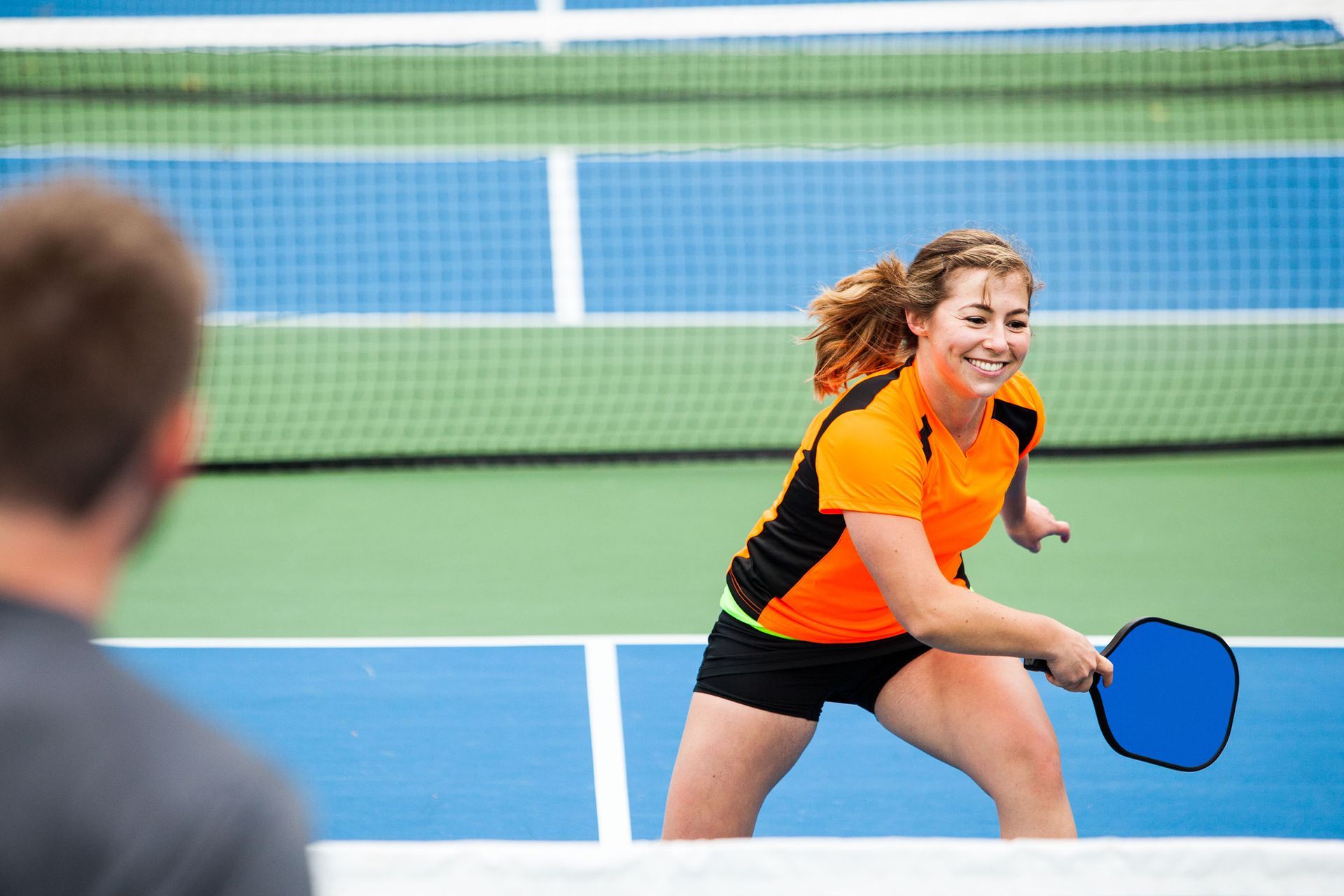
Pickleball originated in the mid-1960s on Bainbridge Island, Washington, when a group of friends sought to create a new racquet sport to entertain their families. What began as a backyard game has now evolved into a major sporting activity, played in schools, recreational centers, and competitive circuits. The sport combines elements of tennis, badminton, and table tennis, offering a unique experience that appeals to a wide audience. Various factors, including ease of play and minimal equipment requirements, have contributed to the rapid growth of pickleball. This rise has ignited a demand for more structured playing environments.
According to the Sports & Fitness Industry Association, pickleball's popularity has skyrocketed in recent years. The SFIA reported that by 2025, 24.3 million Americans participated in pickleball, positioning it as one of the country's leading sports. This remarkable increase underscores the need for more accessible and dedicated pickleball courts. The trend highlights how accessible and engaging sports can capture public interest and grow exponentially within a short period. Such numbers reflect a strong community support for the growth of specialized courts to accommodate this wave.
Demographic analyses reveal that pickleball appeals to a diverse range of age groups, countering the misconception that it's predominantly for older adults. Although initially popular among retirees due to its low-impact nature, younger demographics have embraced the sport for its competitive and social elements. Schools nationwide have integrated pickleball into their physical education programs, further broadening its reach. Celebrities and athletes have also played a significant role in boosting pickleball's appeal, participating in tournaments and endorsements. Internationally, pickleball is gaining momentum, establishing leagues and organizations in countries such as Canada, Spain, and Australia.
2. Benefits of Dedicated Pickleball Courts
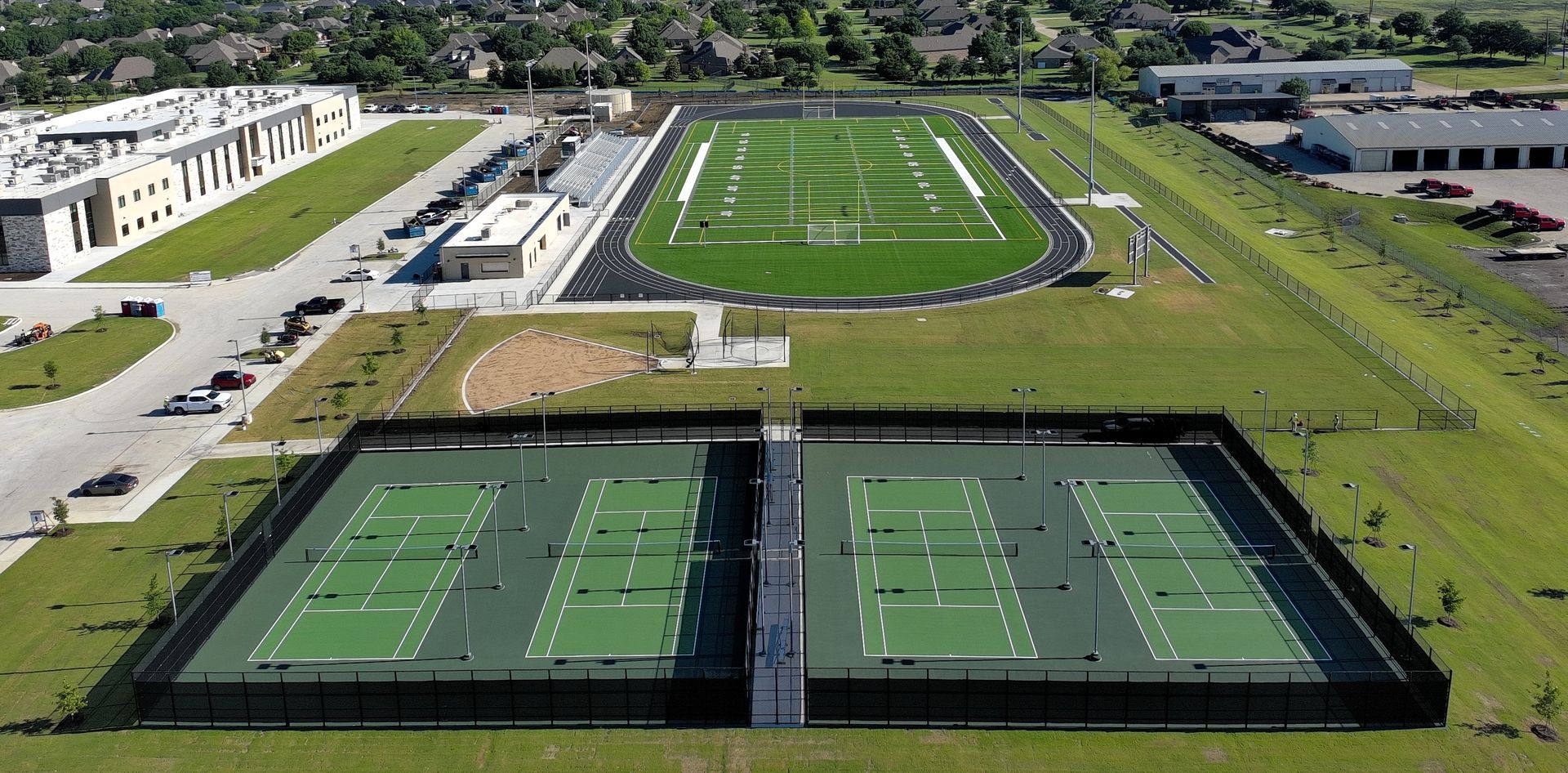
Having designated pickleball courts enhances the player experience by offering suitable surfaces specifically designed for the sport. Dedicated courts guarantee appropriate dimensions, net height, and surface material, ensuring consistent play and minimizing the risk of injury. Players benefit from uninterrupted game time, free from scheduling conflicts with other activities. These courts also provide social gathering spaces, where friendships and community bonds are nurtured. Consequently, they become focal points for promoting an active and healthy lifestyle among community members.
The construction of dedicated pickleball courts prioritizes player safety through specialized surfaces that reduce slip hazards and joint strain. Court surfaces are often made from cushioned materials that are gentle on ankles and knees, extending the playing careers of enthusiasts. Furthermore, the inclusion of proper lighting extends playtime into the evenings, maximizing court utility and accommodating the schedules of working individuals. Accessibility is another key feature of dedicated courts, with designs that cater to players with disabilities. Such inclusivity broadens the sport’s appeal and engagement significantly.
Beyond individual benefits, dedicated pickleball courts foster community growth and engagement through organized events and leagues. These courts serve as venues for local tournaments, drawing participants and spectators from various parts of the region. Economic benefits arise as well since tournaments attract visitors to the area, boosting local businesses and tourism. Municipalities investing in pickleball infrastructure can expect increased community satisfaction and enhanced public spaces. Such developments not only promote a love for the sport but also contribute to a robust sense of community among residents.
3. Challenges in Meeting Pickleball Court Demand
One primary challenge in expanding pickleball infrastructure is the spatial constraints faced by urban areas. Limited real estate and competing interests for public space make it difficult to allocate land exclusively for pickleball courts. Cities must weigh these allocations against other recreational needs, often resulting in multi-use facilities rather than dedicated spaces. The integration of pickleball courts into urban settings requires innovative planning to balance density with accessibility. Despite these hurdles, the potential benefits of urban pickleball courts continue to drive advocacy efforts.
Funding and resource allocation present significant obstacles to meeting the growing demand for pickleball courts. Securing necessary financial resources necessitates partnerships between local governments, private entities, and community organizations. Often, funding priorities are dictated by pressing issues or larger projects, relegating recreational facilities to a lower priority. Effective advocacy and strategic planning are essential to secure grants and sponsorships that finance these projects. Public awareness campaigns and community involvement also play crucial roles in rallying support for court development initiatives.
Balancing multi-sport facilities often leads to scheduling conflicts and limited pickleball access. Existing sports venues may incorporate pickleball lines but not fully accommodate the sport’s unique requirements. Such conversions may result in compromised playing conditions, deterring enthusiasts who seek dedicated pickleball experiences. Additionally, noise concerns from neighbors pose challenges, as the distinct sounds from pickleball matches can lead to community resistance. Seasonal weather conditions can further constrain outdoor play, prompting the need for both indoor facilities and adaptive infrastructure to ensure year-round accessibility.
4. Innovative Designs and Solutions
The introduction of portable and modular court systems addresses space and flexibility challenges associated with permanent court installations. These systems offer versatile solutions that can be deployed in various environments, from temporary pop-up courts in public parks to private backyard setups. Their ease of assembly and disassembly extends court access to events and neighborhood gatherings. Additionally, portable courts provide opportunities to test and gauge community interest before committing to permanent infrastructure investment. This adaptability showcases how creative solutions are being explored to satisfy demand.
Another innovative approach involves retrofitting existing multi-use facilities to accommodate pickleball alongside other sports. By redesigning spaces and incorporating adjustable nets and court dividers, municipalities can support multiple activities under one roof. These well-planned conversions facilitate seamless transitions between sports while optimizing available space. Eco-friendly construction materials further enhance the appeal of new court designs, aligning pickleball projects with sustainability goals. Using recycled materials and implementing green building practices reduce the environmental impact of new constructions.
Incorporating technology to enhance player development offers promising prospects for future pickleball infrastructure. Automated video recording systems and performance analysis tools provide players with insights into their gameplay, opening avenues for personal improvement and coaching. Smart lighting and court reservation apps streamline facility use and enhance accessibility, benefiting both players and facility managers. Engaging community-centric designs reflect input from local players, ensuring courts meet local needs and preferences. Embracing these innovative approaches can drive pickleball's growth and integration into mainstream sports culture.
In conclusion, the explosive popularity of pickleball underscores an urgent need for expanding and upgrading courts dedicated to the sport. As evidenced by the remarkable participation statistics, pickleball stands as one of the country's most cherished recreational activities. Despite challenges related to space, funding, and community resistance, innovative solutions and collaborative efforts are paving the way towards fulfilling these infrastructure demands. The future of pickleball courts appears bright, with prospects of technology, policy support, and community involvement driving its growth. Ultimately, dedicated pickleball courts not only nurture athleticism but also foster social interaction, creating vibrant and healthy urban landscapes. Be sure to reach out to T-Bar Fence & Tennis Courts today to learn more about our professional
pickleball court builder!